Case studies
How students got there
Six students, six different starting points. Each one shows the challenge, the strategy we chose and how it turned out.
Student
Class of 2030
Starting point
A strong student, but only generic interests in CS and local involvements
Our focus
Major discovery, personal story, wet lab experience, focused essays, activity list, waitlist strategy and the final decision
Result
Committed to Johns Hopkins Biomedical Engineering. Also admitted to UCLA and UChicago (both from the waitlist), Michigan, UC San Diego and UC Santa Barbara.
Case study · Johns Hopkins University
Biomedical Engineering, newly discovered focus
The challenge
She was a strong student, but her interests read as a general pull toward AI and computer science that didn't yet set her apart. Her activities were meaningful but local, without the regional or national recognition applicants to top programs often bring, and she hadn't yet found a focus that was truly her own.
What we did
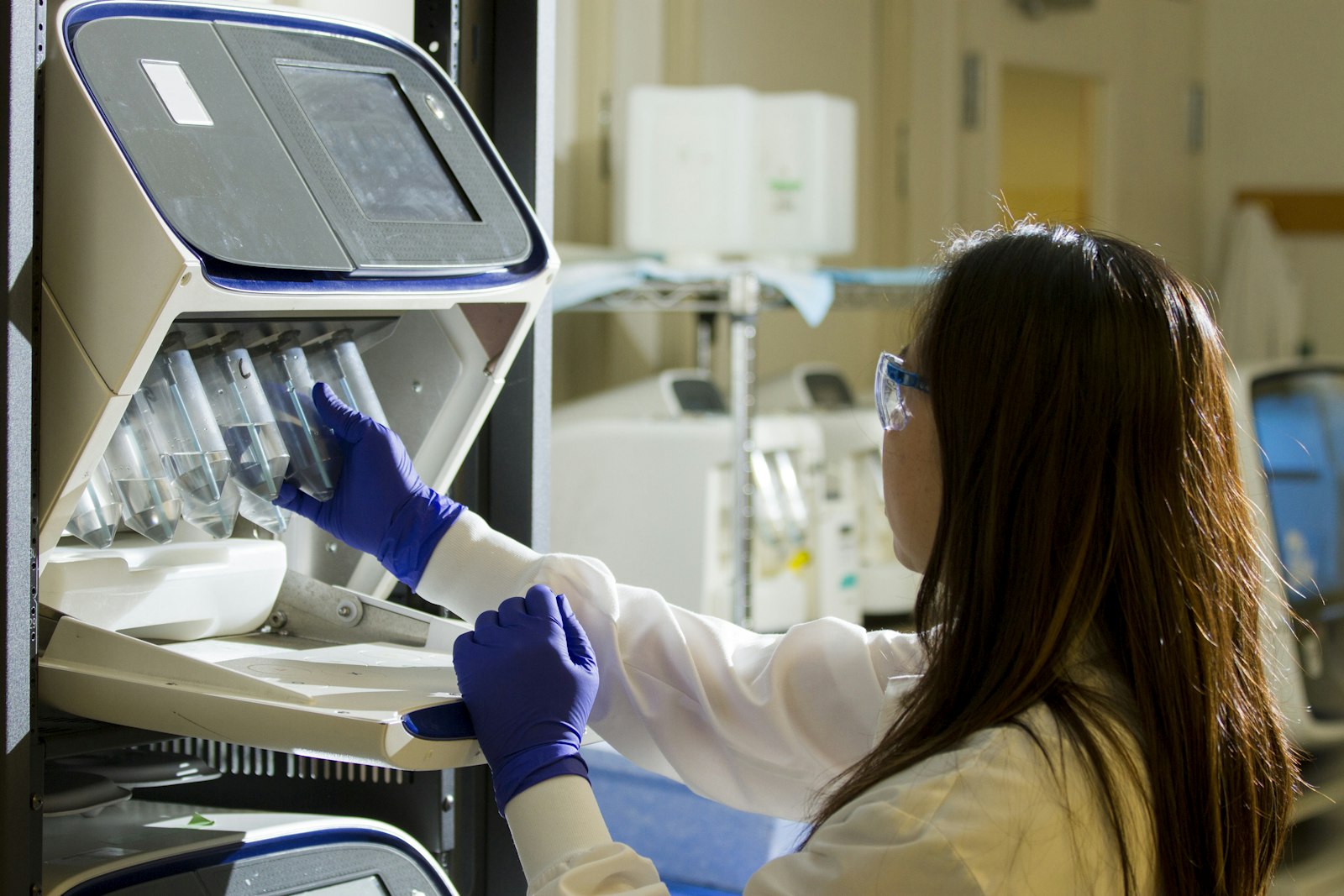
We drew out her story from her personal experiences with the healthcare system. We helped her find wet lab experience, which let her write about specific problems in biomedical engineering rather than computer science in general. Then we reframed her activity list so the depth of her local work came through. After decisions, we guided her waitlist letters for UCLA and UChicago. Then we mapped each offer against her long-term goals.
The outcome
She was admitted to Johns Hopkins Biomedical Engineering, which admits an estimated 4% of applicants, below even Hopkins’ 6.1% overall admit rate. She also came off the waitlist at both UCLA and UChicago. Even after decisions, she was torn, and her family deliberated at length between UCLA, the safer choice close to home, and Hopkins. We encouraged her to take the risk if Hopkins truly felt more aligned with her goals. She committed to Johns Hopkins.
“We spent countless hours in meetings, making edits and exchanging emails to build the strongest application possible. I doubt I would have had these incredible college options without Suhani’s help.”
Student
Class of 2030
Starting point
1360 SAT, below the 1400 to 1540 middle range of enrolled Georgetown students. Georgetown requires test scores, so test-optional was not a viable path.
Our focus
Applying to her top choice: which Georgetown school, Early Action, essays and activity list
Result
Admitted Early Action to Georgetown’s School of Foreign Service. Committed to Georgetown.
Case study · Georgetown University
Her top choice, with a 1360 SAT
The challenge
Georgetown was her top choice, and it requires test scores. Her 1360 SAT sat below the range of most admitted students, so the rest of her application had to carry more weight. She was also leaning toward Georgetown College, assuming it would be less competitive than the specialized schools, even though her interests were all about international affairs.
What we did
We showed her why her story fit the School of Foreign Service far better, and shared what Suhani knows of Georgetown’s deeper values from her time there. We wrote essays that showed how her interests and goals align with those values, reframed her activity list to make that fit clear, and applied Early Action.
The outcome
Despite an SAT below the typical range, she was admitted Early Action to her top choice, Georgetown’s School of Foreign Service, and committed there.

Student
Student from a small town in Chile, Class of 2030
Starting point
New to US admissions; English is not his first language
Our focus
College list, demystifying the process, personal statement, financial aid
Result
Admitted to Columbia with full financial aid and selected for the Columbia Undergraduate Scholars Program
Case study · Columbia University
Full financial aid at Columbia, starting from zero
The challenge
He knew almost nothing about US admissions. Like most systems outside the US, the one he knew was built around test scores and a pitch to the university, not a personal story.
What we did
We built a college list that offered more than the top universities in his country, and demystified each step. We showed him that a personal statement is not a statement of purpose. We framed his independent research at the intersection of space and medicine prominently without making it his whole story, and dug into the personal experiences behind it. We also worked through financial aid together with his parents.
The outcome
He was admitted to Columbia with full financial aid and selected for the Columbia Undergraduate Scholars Program.
“I was admitted to Columbia with full financial aid. As a foreign applicant from a small town, Suhani’s support truly made a difference.”
Student
Student from India, Class of 2030
Starting point
Research Science Institute alum, applying internationally
Our focus
Essays, brag sheets and recommendation letter strategy
Result
Admitted to 5 of 7: Harvard, Stanford, Emory, the University of British Columbia and UConn. Committed to Harvard.
Case study · Harvard University
From RSI to Harvard, applying from India
The challenge
International applicants compete for very few seats. His research was strong, but his recommenders needed to show its depth to readers who would never meet him.
What we did
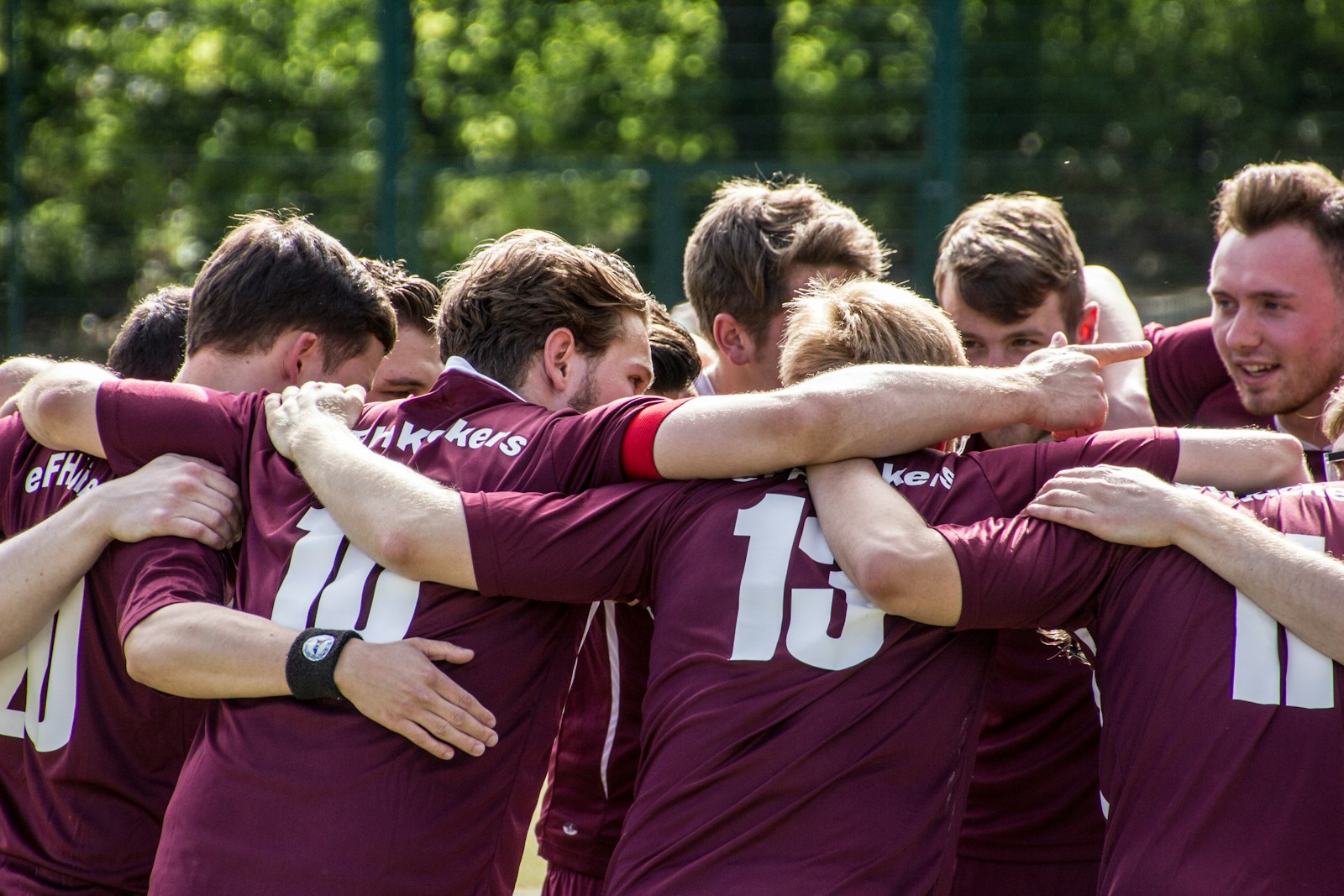
We built detailed brag sheets and a recommendation strategy so each letter spoke to a different side of him, from his biological research at RSI to his commitment on the soccer field. Alongside the letters, we developed essays that told the story behind his research in his own voice.
The outcome
He was admitted to five of the seven colleges he applied to, including Harvard and Stanford, and committed to Harvard.
“I got into five of the seven colleges I applied to, including Harvard and Stanford. Suhani helped my teachers see the full story behind my RSI research, and her recommendation strategy made my application so much stronger.”
Student
Student from Brazil, Class of 2030
Starting point
Small city in São Paulo state; needed full funding to study abroad
Our focus
National scholarship essay, college list, application essays
Result
Admitted to nine universities, all fully funded. Committed to Rice. Also the University of Washington (direct admission to computer science), McGill, UBC and Wisconsin.
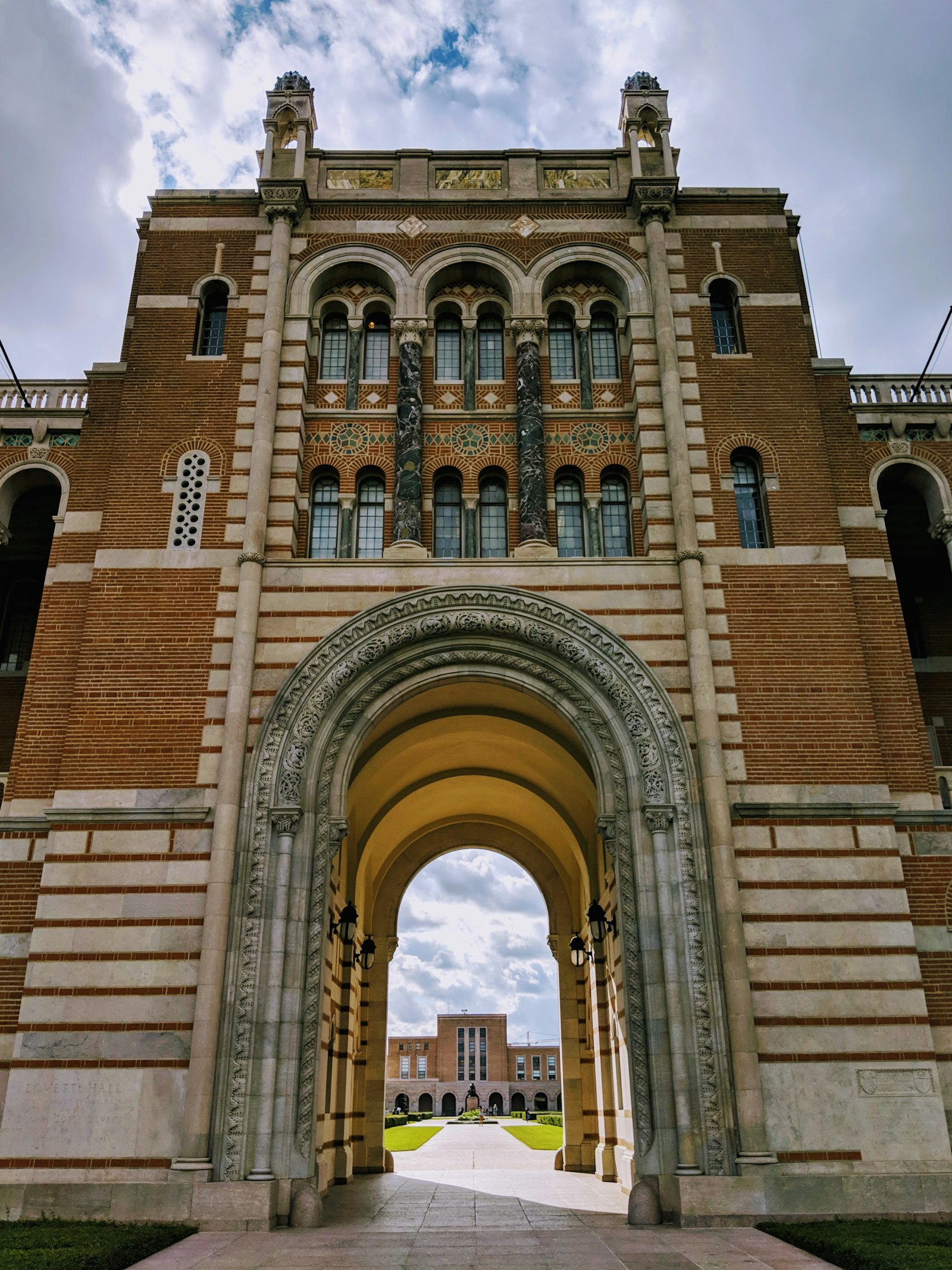
Case study · Rice University
Nine fully funded offers, from a small city in Brazil
The challenge
Studying in the US or Canada was only possible with full funding, which meant first winning a competitive national scholarship.
What we did
We worked on her national scholarship essays, then built a list across the US and Canada that matched her rare combination of interests in computer science and neurology, and developed application essays built around that intersection to set her apart.
The outcome
She was admitted to nine universities, every one fully funded, including direct admission to computer science at the University of Washington. She committed to Rice.
“I was accepted to nine universities, all fully funded by my national scholarship. I truly appreciate the time and effort Suhani put into helping me as an international student.”
Student
Class of 2030
Starting point
A GPA well below the 3.8 to 4.1 average of students enrolling at schools like Virginia Tech, RPI and Pitt
Our focus
A realistic, right-fit college list and strong essays
Result
Admitted to 14 universities, including Virginia Tech, RPI, Rose-Hulman, WPI and Pitt
Case study · Engineering
14 engineering admits, with a GPA below the typical range
The challenge
Her grades sat well below what most students at strong engineering schools bring. Aiming only at reach schools would have been a gamble, and a list built around rankings would have missed what she actually wanted to study.
What we did
We were honest about where her GPA stood and built a list of respected engineering programs that matched her core interests. We brought her leadership and independent projects to the front, showing how even work outside CS built the problem-solving and people skills of a strong future engineer. Then we made her essays the strongest part of every application.
The outcome
She was admitted to 14 universities, including respected engineering programs at Virginia Tech, RPI, Rose-Hulman, WPI and Pitt, each one a real fit for what she wants to do.
“Suhani made my essays the strongest part of my application. I was accepted to 14 schools, including Virginia Tech, RPI, Rose-Hulman, WPI and Pitt.”
Every student starts somewhere different
Let’s map out your student’s path
A free 30-minute consult to talk through where your student is today and what a strong strategy could look like.